Tenerife is famously known as the “Island of Eternal Spring,” boasting over 3,000 hours of annual sunshine. However, because of its towering volcanic mountains, the island features unique microclimates. While the North remains lush, green, and slightly cooler, the South stays hot, dry, and sunny almost every day of the year.
Plan your perfect escape with our definitive year-round guide to Tenerife’s weather. Discover average monthly temperatures, sea conditions, what to pack, and how to navigate the island’s famous microclimates from the sunny south to the volcanic peak of Mount Teide.
Season & Months
Average Highs
Sea Temp
Best For…
What to Pack
☀️ Summer / Autumn (July – October)
26°C – 30°C
24°C
Beach holidays, swimming, and summer sun.
Swimwear, light clothing, and high-factor sunscreen.
🍁 Winter Sun (November – February)
20°C – 24°C
20°C
Escaping the European winter cold.
T-shirts for the day; a light jacket for cooler evenings.
🌸 Spring Escape (March – June)
22°C – 25°C
19°C
Sightseeing, hiking, and fewer crowds.
Comfortable walking clothes and light layers.
Everything You Need to Know About Mount Teide
🌋 The Mount Teide Exception
No matter what month you choose to visit, remember that Mount Teide National Park sits over 2,000 metres above sea level. While you might be sweating in shorts on the beach down in Costa Adeje, temperatures near the volcanic peak drop drastically and can even bring winter snowfall.
🌋 1. The Volcanic Landscapes
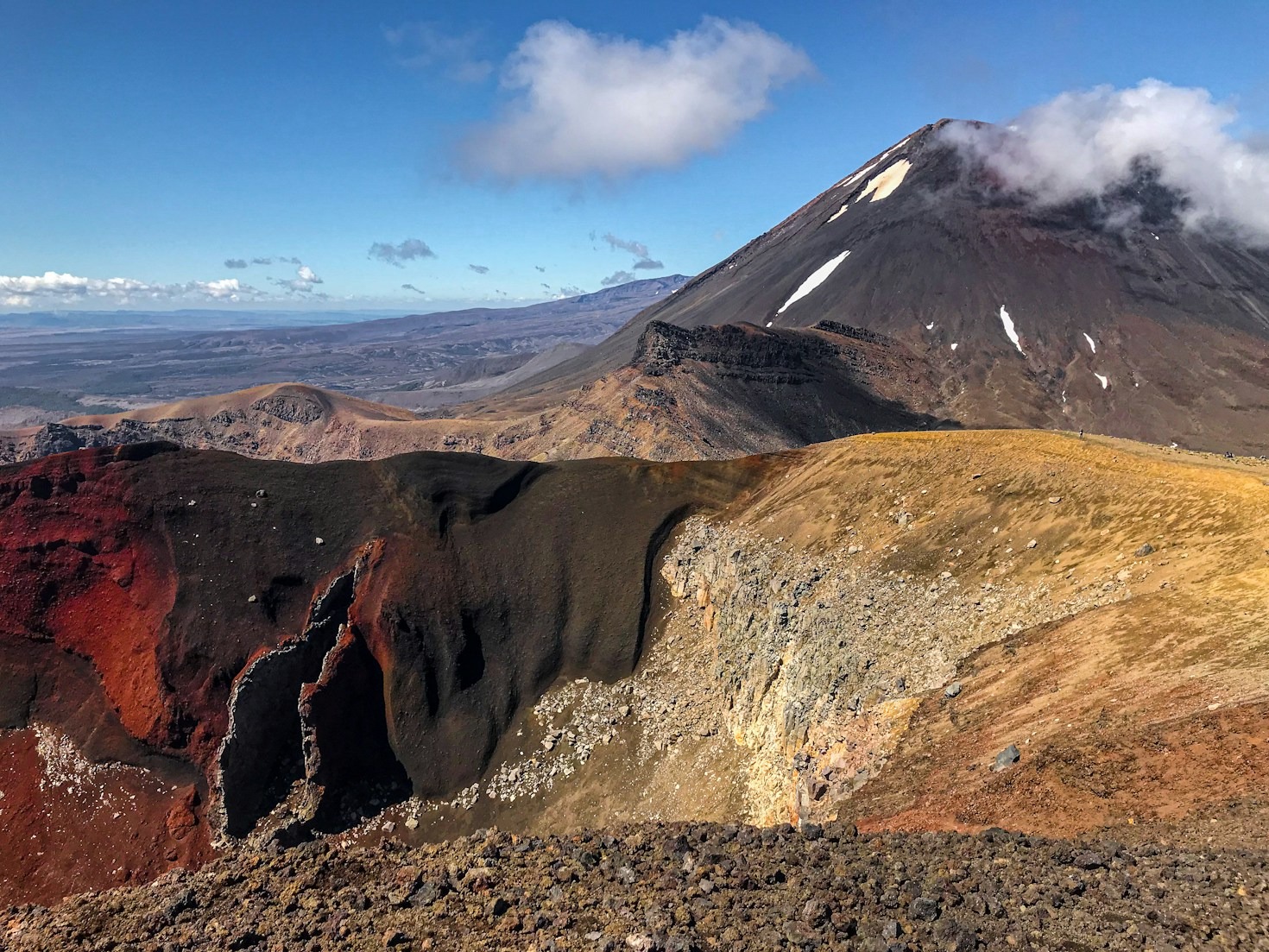
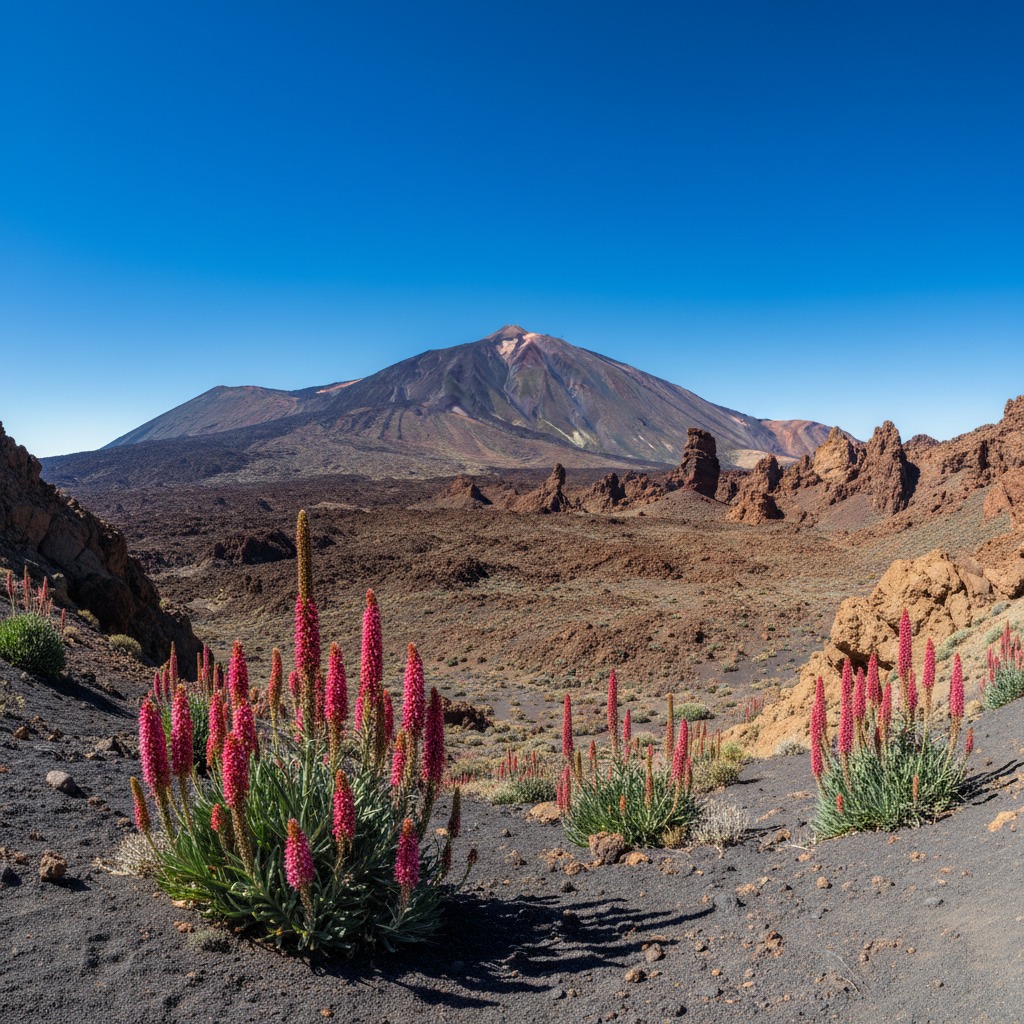
Driving into Mount Teide National Park feels like landing a spacecraft directly onto Mars. The high-altitude crater is a massive desert filled with twisted black lava flows and unique mineral formations that sit high above the cloud line.
The easiest way to explore this vast terrain without stressful mountain driving is by booking a Teide National Park Guided Excursion to hit the best viewpoints.
Tip: Pack warm layers! Even if it is hot on the southern beaches, temperatures drop drastically at 2,000 metres.
🚡 2. The Teide Cable Car
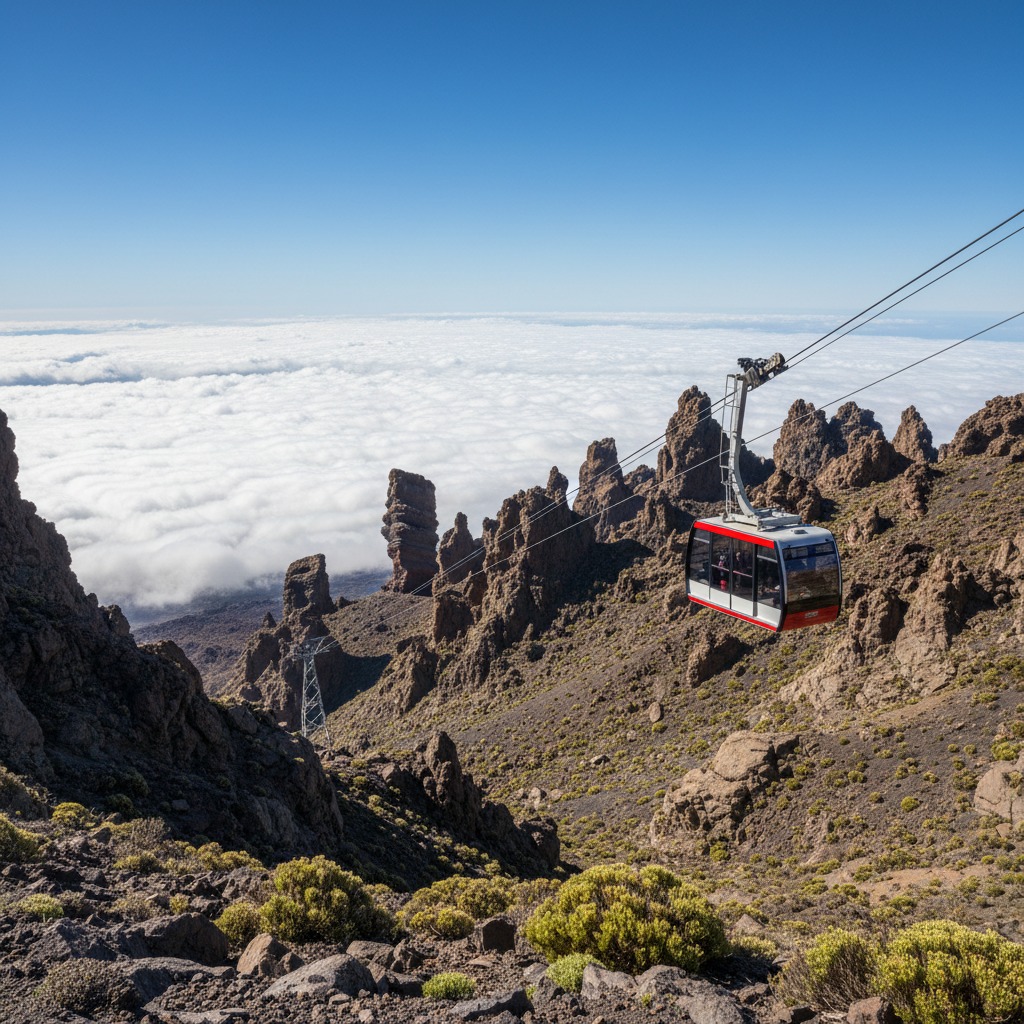
Skip the gruelling 6-hour hike and take the modern cable car. This thrilling 8-minute ride ascends to 3,555 metres, offering panoramic views of the neighboring Canary Islands. Make sure to secure your Teide Cable Car Fast-Track Ticket early.
Tip: To walk the final path to the absolute summit crater, you must apply for a separate, free government permit online months in advance.
🌌 3. Stargazing Above the Clouds
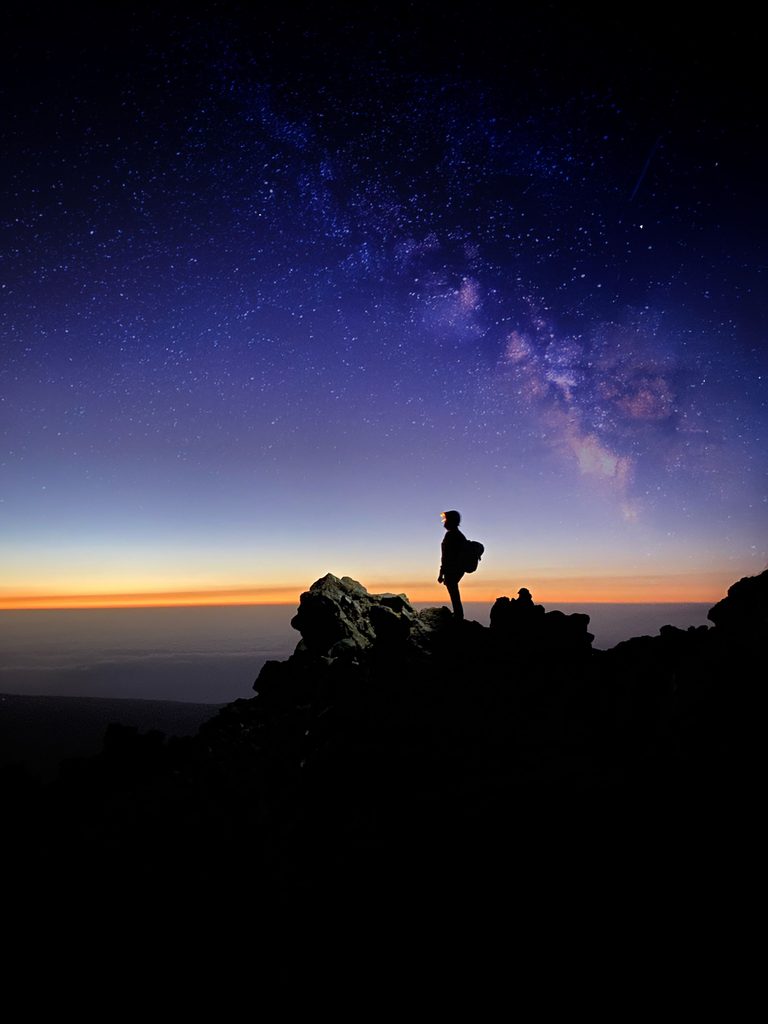
The national park sits entirely above the cloud layer and is free from urban light pollution; it is recognised as a top global destination for astronomy. As night falls, the sky transforms into a dazzling blanket of millions of stars.
Tip: Try to book your mountain stargazing trip during a new moon for the absolute darkest, clearest views of the Milky Way.
❓ Mount Teide: Frequently Asked Questions
How long does it take to visit Mount Teide?
If you are driving up from the southern resorts (like Costa Adeje or Los Cristianos), expect the journey to take roughly 1 hour each way. A standard visit that includes a cable car ride and stopping at the major volcanic viewpoints usually takes between 4 to 5 hours in total. If you join a sunset stargazing tour, it typically lasts around 6 to 8 hours, including dinner.
Can you visit Mount Teide without a tour?
Yes, the national park is entirely free to enter and completely accessible via well-maintained public roads if you have a rental car. However, if you plan to take the cable car or want to stay after dark for professional stargazing, you must pre-book those specific tickets online well in advance, as independent track slots sell out fast.
Is there a toilet and restaurant on the mountain?
Yes, there is a large visitor centre at the base station of the cable car which features public toilets, a café serving hot food and coffee, and a souvenir shop. However, once you take the cable car up to the upper station (La Rambleta), there are no toilets or food facilities available, so make sure to use the facilities at the bottom before ascending!